The House of 12,000 Books
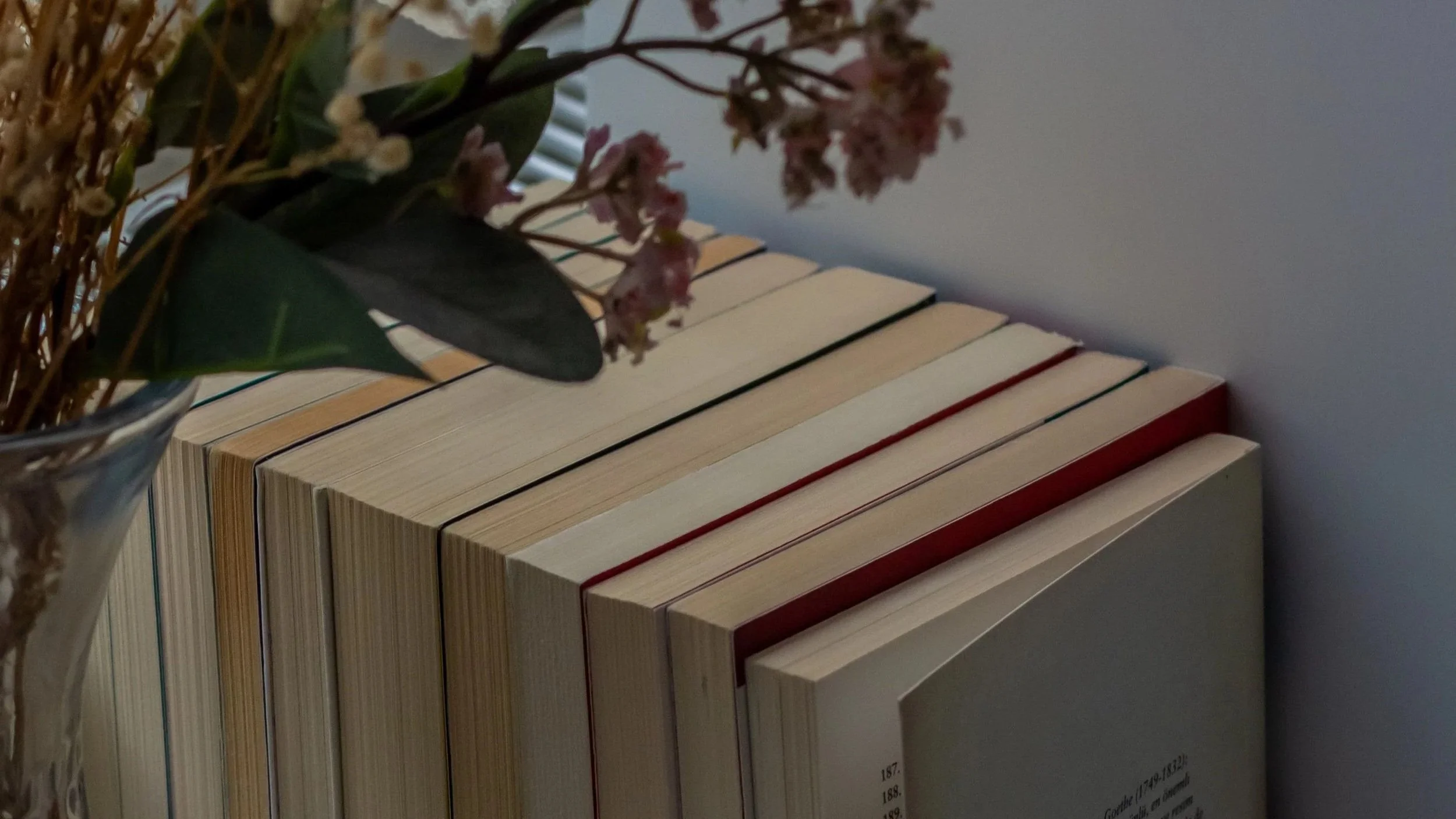
I grew up in a house full of books.
And when I say full of books, I do not mean a few shelves in the living room.
By the time my parents died, they had collected more than twelve thousand books from around the world.
History.
Religion.
Travel.
Biographies.
Fiction.
Books filled shelves, tables, bedrooms, hallways and corners. They seemed to find their way into almost every room.
Both of my parents read voraciously.
But something changed when my mother began to develop dementia.
Long books became harder for her to follow. Her memory could no longer hold the same amount of information or carry a story from one chapter into the next.
So my parents turned to poetry.
Every morning, my dad would make my mom a cup of coffee.
They would sit together with ten or twelve poetry books spread around them and take turns reading poems aloud.
Then they would talk about what they had just read.
My mom might not remember the poem later that afternoon.
But for those few minutes, the words gave them somewhere to meet.
Poetry became a bridge.
I think it was only then, as my mother's memory began to disappear, that I started to understand the power of a few simple words.
My father had always loved poetry.
When I was a child, he would suddenly begin reciting William Blake:
“Tiger tiger burning bright
In the forests of the night
What immortal hand or eye
Could frame thy fearful symmetry?”
William Blake
Both of my parents read voraciously.
Later in his life, there were three poets my dad kept placing in my hands.
Mary Oliver.
David Whyte.
And Rumi.
I did not know then that they would change the way I wrote.
More importantly, they changed the way I lived.
Mary Oliver taught me to pay attention.
She wrote about geese, grasshoppers, ponds, dogs, trees and ordinary mornings.
Her poems made me stop.
Look.
And look again.
Because of her, I began to notice my own life differently.
A deer standing at the edge of my yard.
Light moving across our pond.
A raven overhead.
The sound of my feet on the path of my labyrinth.
Mary Oliver helped me understand that beauty is often much closer than we imagine.
Sometimes it is simply waiting for us to become still enough to notice it.
Mom and Dad’s favorite poem by Mary Oliver
Mary Oliver Wild Geese, Dream Work 1986
You do not have to be good.
You do not have to walk on your knees
for a hundred miles through the desert, repenting....
David Whyte taught me about thresholds.
The places where the life we knew is ending, but the life ahead of us has not yet fully appeared.
I have stood at many of those thresholds.
The deaths of my children.
Leaving a twenty-year career in intensive care nursing.
Becoming a craniosacral practitioner.
Writing a book.
Losing both of my parents.
David Whyte helped me understand that we do not always get to see the entire road.
Often, life gives us only enough road for the next step.
And heartbreak does not necessarily mean we have taken the wrong path.
Sometimes the road that is truly ours will ask something of us.
It may change us.
It may break our hearts.
It may lead us somewhere we never expected.
Santiago
David Whyte
Pilgrim 2012
The road seen, then not seen, the hillside
hiding then revealing the way you should take,
the road dropping away from you as if leaving you...
And Rumi taught me to make more room in my heart.
For a period of time, I began reading one Rumi poem every day.
My capacity to hold joy, sadness, fear, longing and grief seemed to be growing.
In The Guest House, Rumi imagines the human heart as a place where all of our emotions arrive like unexpected visitors.
—Jalaluddin Rumi, “The Guest House”
translated by Coleman Barks, from The Essential Rumi
Harper San Francisco, 1995
The guest House
This being human is a guest house. Every morning a new arrival.
A joy, a depression, a meanness, some momentary awareness comes as an unexpected visitor....
The last lines of Rumi's poem remind me that every emotion and experience may carry something to teach me. Even the feelings I would rather turn away from can arrive with wisdom, inviting me to listen more deeply and making space for something new to emerge.
At first, I thought I was simply reading poetry.
But slowly, I noticed something changing.
My capacity to hold joy, sadness, fear, longing and grief seemed to be growing.
For many years, I thought healing meant feeling better.
Less sadness.
Less pain.
Less fear.
Rumi made me wonder whether healing might sometimes mean something else.
What if healing is not about throwing certain feelings out of the house?
What if healing is learning how to make a little more room?
I have known profound grief in my life.
And I have known profound love.
Eventually, I began to understand that they were not opposites.
Often, my grief was simply revealing the size of my love.
These ways of seeing slowly found their way into my own writing.
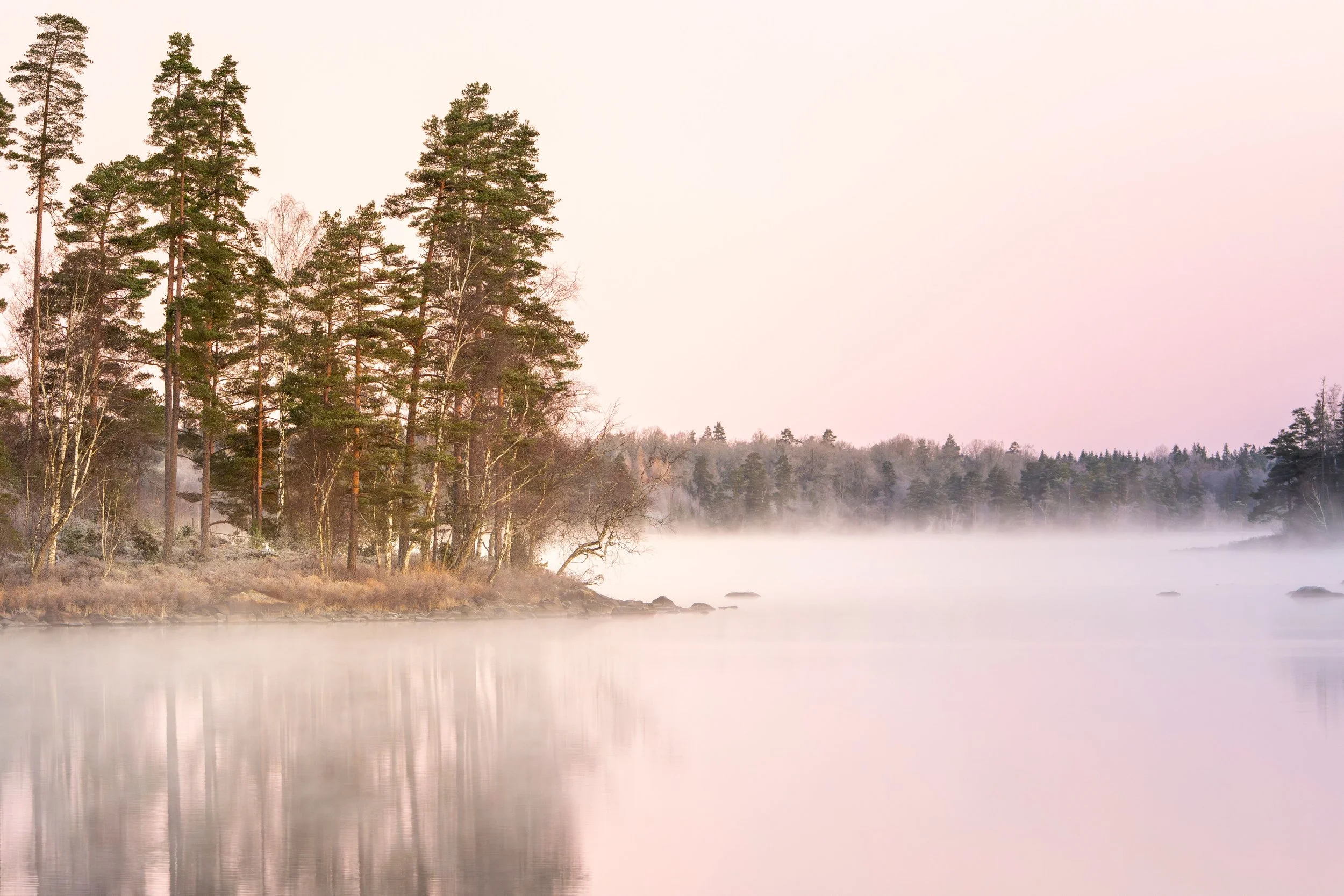
“The moments when the road disappears.”
I began writing about birth and death.
Motherhood and grief.
The wisdom of the body.
Animals.
Trees.
Thin places.
The moments when the road disappears.
The ways love continues after someone has died.
Eventually, some of those poems and stories became my first book, When Time Stands Still.
And now I find myself here.
Beginning a blog.
Although perhaps I have been writing it for years without knowing.
In notebooks.
In poems.
In stories shared around circles.
In the quiet reflections that arrive after working with a mother and her baby.
In moments beside my pond.
On pilgrimage.
Walking the labyrinth.
Standing beneath a tree that once held hundreds of prayer ribbons for my children.
This will be a place for those stories.
Stories about grief and love.
Birth and death.
The body and its deep intelligence.
Nature.
Poetry.
Healing.
And the mysterious moments when the veil between what we can see and what we can only feel seems to grow a little thinner.
I grew up in a house of twelve thousand books.
But it was only when my mother's memory began to disappear that I began to understand the power of a few simple words.
A poem could give my parents somewhere to meet.
A poem could be held for one moment, even when it could not be remembered later.
A poem could turn our eyes back toward the world.
Perhaps that is why I write.
To pay attention.
To trust the road.
To welcome the whole heart.
And to leave a few words here, in the hope that they might give us somewhere to meet.